Distributed Computing Frameworks Enabling Global Reel Library Reach
Paul Weber · Aug 24, 2026

Distributed Computing Frameworks Enabling Global Reel Library Reach
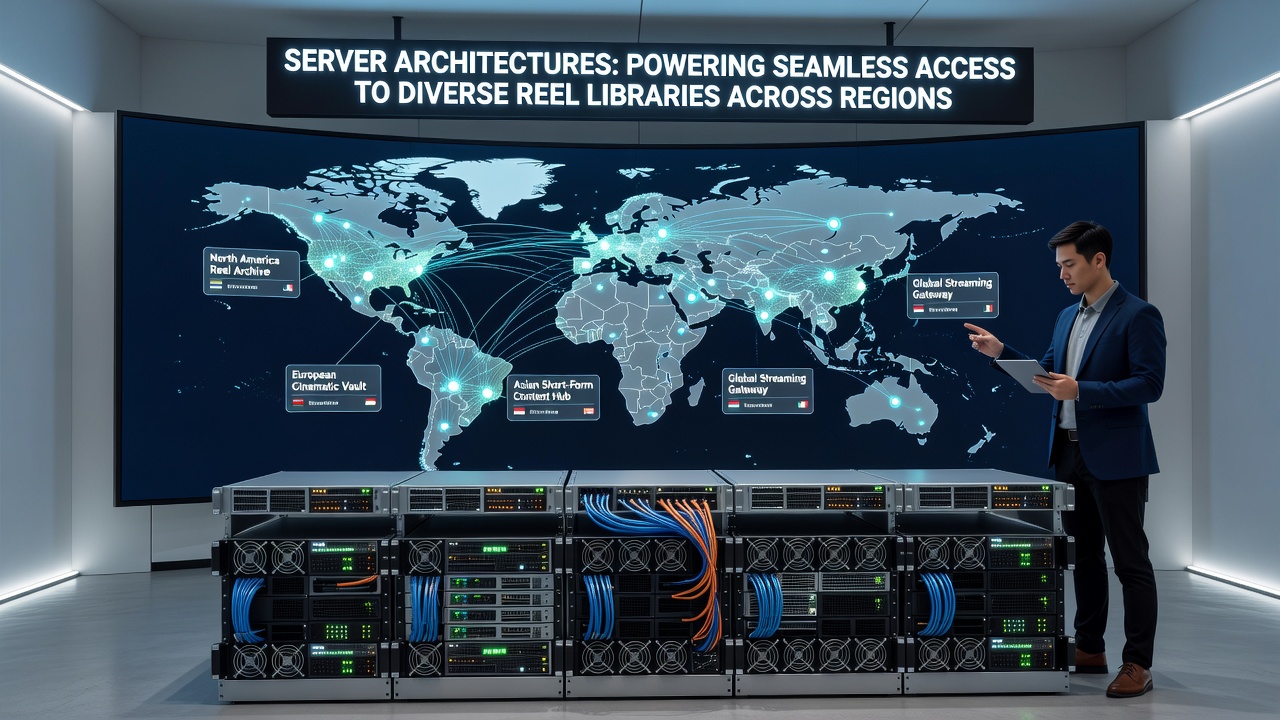
Modern online gaming platforms rely on layered server architectures that combine centralized databases with regional edge nodes, and these setups allow users in different jurisdictions to access varied reel collections without delays or regulatory conflicts, while data centers positioned near major population centers cut latency to under 50 milliseconds in many cases according to industry benchmarks from 2025.
Cloud providers such as those operating multi-zone deployments in North America, Europe, and Asia Pacific maintain synchronized copies of game libraries through geo-replication protocols, and this approach ensures that a player in one country sees the same catalog updates as someone thousands of kilometers away yet encounters only titles approved for their local market.
Core Components of Regional Server Networks
Load balancers sit at the front of these systems and route traffic based on user location plus current server load, while content delivery networks cache static assets like reel graphics and sound files at points of presence scattered across continents, and this combination reduces bandwidth strain on primary hosts during peak evening hours when simultaneous logins spike.
Database sharding splits reel metadata across multiple instances so queries for specific game features resolve faster, and developers often pair this with container orchestration tools that spin up additional instances automatically when regional demand rises, as seen in platforms handling millions of spins daily during summer months.
Compliance Layers and Data Localization
Regulatory requirements in places like the United States and Australia mandate that certain player data and game outcome records stay within national borders, so architects deploy dedicated compliance servers in each jurisdiction that mirror core logic but enforce local rulesets before any reel library content reaches the end user, and these filters update in real time whenever licensing bodies issue new approvals.
Encryption protocols wrap all data transfers between central hubs and regional nodes, and audit logs track every access request so operators can demonstrate adherence during inspections, with frameworks like these supporting seamless library expansion when new titles receive clearance in August 2026 across multiple markets.
Scalability Through Microservices and Edge Processing
Many operators break reel engines into microservices where each handles one aspect such as random number generation, bonus trigger logic, or payout calculation, and these services run independently on container clusters that scale horizontally when traffic from a particular region surges, which keeps response times consistent even during promotional events that draw larger audiences.
Edge computing nodes placed closer to users process lighter tasks like interface rendering and preliminary reel spin simulations, while heavier computations stay in core facilities, and this split reduces round-trip times while still allowing full synchronization of win histories across all connected libraries.
Case Examples from Industry Deployments
One North American operator expanded its reel offerings into additional Canadian provinces by activating new edge sites in Toronto and Vancouver, and traffic routing shifted automatically to maintain sub-40 millisecond averages as reported in a 2025 technical review by the International Association of Gaming Regulators, while a parallel rollout in parts of the European Union leveraged similar patterns documented in university studies on distributed gaming systems.
Another deployment in the Asia-Pacific region used hybrid cloud setups blending private infrastructure with public providers to handle localized reel variants that differ in volatility settings or feature sets, and failover mechanisms redirected users to backup nodes within seconds during maintenance windows without interrupting active sessions.
Performance Metrics and Monitoring Practices
Operators track metrics such as average time to first reel display, error rates per thousand spins, and synchronization lag between regions, and dashboards aggregate this data from monitoring agents embedded in every node so teams can spot bottlenecks before they affect players, with thresholds often set to trigger alerts when latency climbs above preset limits.
Redundant power and network paths in each data center further support uptime targets above 99.9 percent, and these redundancies prove especially useful when seasonal events increase global reel library queries across time zones.
Conclusion
Server architectures built around regional distribution, compliance isolation, and microservice flexibility continue to underpin reliable access to expanding reel collections worldwide, and ongoing refinements in edge placement plus data handling keep these systems responsive as markets evolve through periods like August 2026.