Global Networks Boosting Jackpot Sizes via Shared International Pools
Paul Schröder · Aug 19, 2026
Global Networks Boosting Jackpot Sizes via Shared International Pools
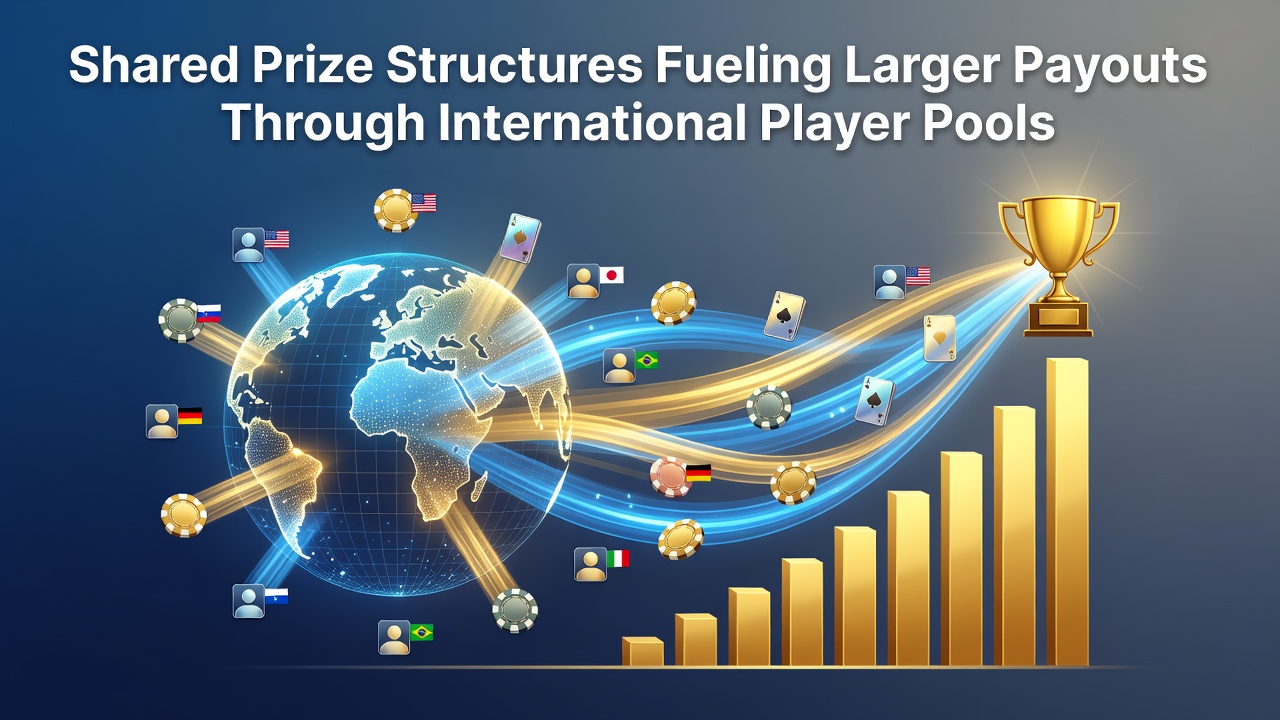
Shared prize structures operate by combining contributions from players across multiple jurisdictions into unified progressive pools that generate substantially larger payouts than isolated systems allow, and this approach draws on regulatory frameworks from various regions to maintain compliance while expanding reach.
Mechanics Behind Cross-Border Prize Accumulation
Operators establish agreements that route a percentage of each qualifying bet into a central fund managed through secure platforms, whereas individual game contributions scale with participation volume from diverse markets, and this pooling method relies on synchronized software that tracks entries in real time across time zones.
Regulatory bodies such as the New Jersey Division of Gaming Enforcement oversee interstate connections within the United States, while authorities in other countries coordinate through similar licensing protocols to ensure funds remain protected during transfers between operators.
Expansion Patterns Observed in August 2026
Data compiled through mid-2026 shows increased adoption of these models in markets including parts of Europe and North America, where player bases from separate nations feed into the same prize tiers, and figures reveal that average top prizes in participating networks grew by measurable margins compared with standalone equivalents during the same period.

Take one documented case where a European operator integrated its platform with Canadian providers, resulting in combined daily contributions that accelerated meter growth rates, and observers note similar patterns emerging in Asia-Pacific partnerships that link Australian and Malaysian player traffic into shared structures.
Regulatory and Technical Considerations Across Regions
Compliance requires adherence to data protection standards set by bodies including the Australian Communications and Media Authority alongside provincial Canadian regulators, whereas technical audits verify that random number generators and contribution calculations remain consistent regardless of player location.
Industry reports from the European Gaming and Betting Association highlight how these arrangements distribute risk across wider participant groups, thereby stabilizing payout frequencies even as individual top prizes climb, and the same documents outline verification processes that prevent any single jurisdiction from dominating fund allocation.
Software providers supply the backend infrastructure that reconciles bets from different currencies and tax regimes into unified ledgers, while operators handle local player verification separately to satisfy each market's licensing conditions without disrupting the shared pool itself.
Player Reach and Prize Distribution Trends
Participation metrics indicate that networks spanning at least three countries attract higher overall engagement volumes than domestic-only systems, and this broader base directly correlates with faster accumulation toward payout thresholds according to aggregated industry statistics released in 2026.
One study from a Canadian research institution tracked progressive wins over twelve months and found that cross-border pools delivered maximum awards at intervals 15 to 20 percent shorter than comparable non-pooled titles, while average secondary prizes also increased in line with total contributions.
Conclusion
Shared prize structures continue to demonstrate measurable effects on payout magnitudes through expanded international participation, with ongoing implementations monitored by multiple regulatory entities to balance growth against oversight requirements, and available data from sources such as the New Jersey Division of Gaming Enforcement and the Australian Communications and Media Authority support the observed scaling of prize pools when player contributions cross borders.