Multiplier Cascades: Mechanics Behind Linked Prize Pools in Global Reel Systems
Leon Braun · Oct 15, 2026

Multiplier Cascades: Mechanics Behind Linked Prize Pools in Global Reel Systems
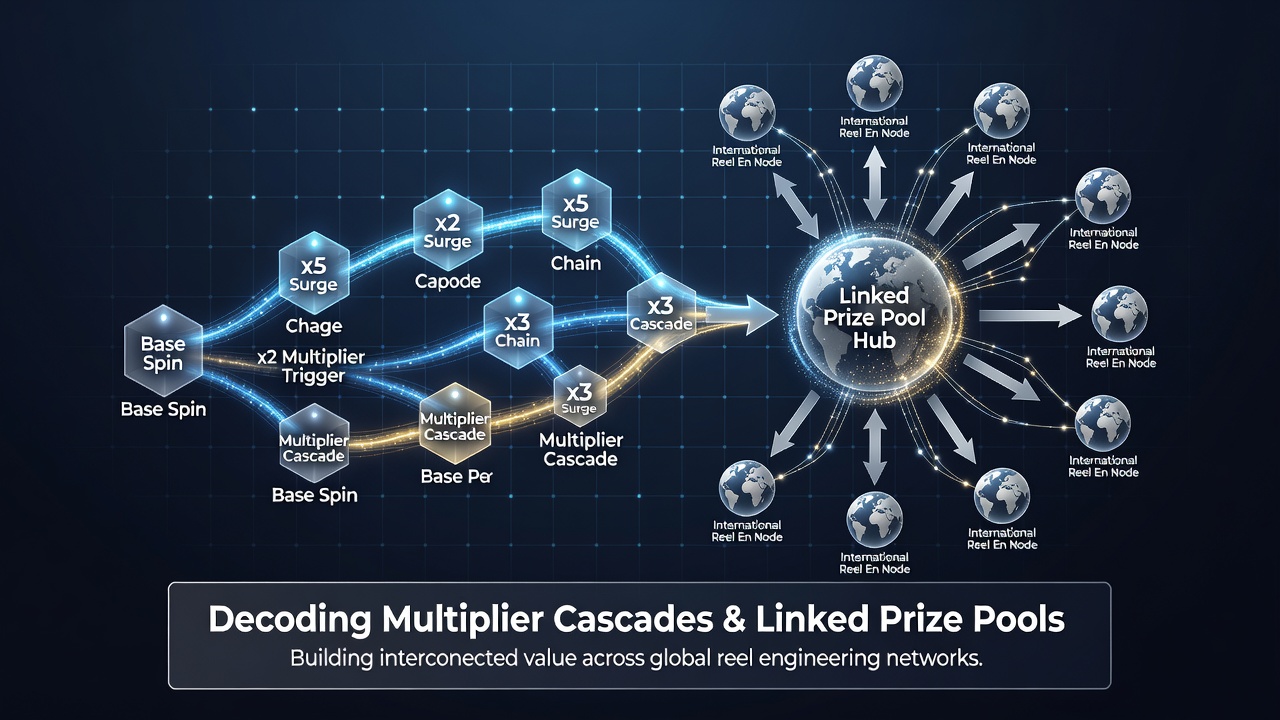
Multiplier cascades operate through sequential symbol eliminations that apply increasing values to subsequent wins, and these mechanics feed directly into linked prize pools by allocating portions of each bet across international servers. Game developers integrate cascade engines with progressive meters so that every qualifying spin contributes to a shared fund regardless of player location, while the cascade itself determines the size of the multiplier applied before the contribution registers.
How Cascade Sequences Interact With Progressive Accumulation
Each cascade begins when matching symbols disappear and new ones drop into place, yet the process continues only while new combinations form. Observers note that software tracks the number of consecutive drops to calculate the active multiplier, and this running total often determines whether a bet portion routes to the linked pool or remains in teh base game. Data from industry reports shows that titles using five or more cascade levels generate higher average contributions per spin because the multiplier climbs faster than in single-drop variants.
Linked systems pool bets from multiple jurisdictions through centralized servers that update jackpot displays in real time. When a cascade reaches a predefined threshold, the game engine tags the spin for an elevated contribution rate, which accelerates pool growth without altering the base stake. Researchers at the University of Nevada's International Gaming Institute have documented how these tagged spins account for measurable increases in pool velocity across networks spanning North America and parts of Asia.
Regional Variations in Implementation
Operators in Australia apply cascade multipliers to state-linked progressives under oversight from the New South Wales Liquor and Gaming Authority, whereas Canadian provinces such as Ontario route similar contributions through teh Alcohol and Gaming Commission of Ontario. Both frameworks require transparent reporting of how cascade counts affect the percentage directed to the common pool, and figures released in October 2026 indicate stable growth rates despite differing tax structures. European providers outside the United Kingdom follow Malta Gaming Authority guidelines that mandate separate tracking of cascade-driven versus standard contributions.
One study released by the Canadian Gaming Association examined 18 months of transaction logs and found that cascades occurring on spins already committed to linked pools produced contribution spikes averaging 1.8 times higher than non-cascade spins. Those spikes compound across thousands of daily sessions, allowing pools to reach record levels more quickly than older fixed-multiplier designs permitted.
Technical Integration and Player Visibility
Developers embed cascade counters directly into the user interface so participants see the current multiplier climb in real time, and this visibility often coincides wth animated meter updates that reflect the linked pool balance. The same counter feeds backend algorithms that decide whether to apply bonus contribution rates once the cascade chain exceeds three drops. Technical documentation from major platform providers confirms that these decisions execute server-side within milliseconds, preserving fairness while directing funds to the appropriate prize tier.
International reel enthusiasts encounter these systems through mobile and desktop clients that synchronize with central servers hosted in multiple time zones. Synchronization protocols ensure that a cascade completed in one region updates the shared display for users elsewhere before the next spin begins. Reports compiled by the World Lottery Association in 2026 noted that synchronized cascade feeds reduced display latency complaints by measurable margins across participating networks.
Contribution Formulas and Pool Sustainability
Formulas used by network operators typically allocate a fixed percentage of every base bet plus an additional increment scaled to the final cascade multiplier. When the multiplier reaches five or higher, the incremental allocation can double, which explains why certain titles accelerate pool growth during extended cascade sequences. Actuarial models shared at industry conferences demonstrate that these scaled contributions maintain pool viability even when player volume fluctuates seasonally.
Regulatory filings from the Nevada Gaming Control Board illustrate how operators must certify that cascade multipliers do not alter the certified return-to-player percentage, since the extra allocation derives from the operator's share rather than the player's stake. Certification processes completed in October 2026 reaffirmed that linked pools using cascade scaling remain compliant with existing mathematical standards.
Conclusion
Multiplier cascades therefore serve as both a gameplay feature and a funding mechanism for linked prize pools that span international markets. Their integration allows operators to channel additional value into progressive meters while delivering the sequential win sequences that define modern reel play. Data compiled across multiple regulatory jurisdictions confirms that the relationship between cascade depth and pool growth remains consistent, supporting continued expansion of these systems for global participants.